multiple pet insurance discount explained for busy households
What this discount actually means
A multiple pet insurance discount reduces total premium when you enroll more than one animal under the same account. The savings can be meaningful, especially if you keep coverage consistent across pets. Second thought: not all discounts are automatic or equal - some shrink at renewal or apply only to add-on wellness, so verifying the fine print matters.
How it typically works
- Bundle effect: Insurers reward adding a second, third, or fourth pet on the same policy set.
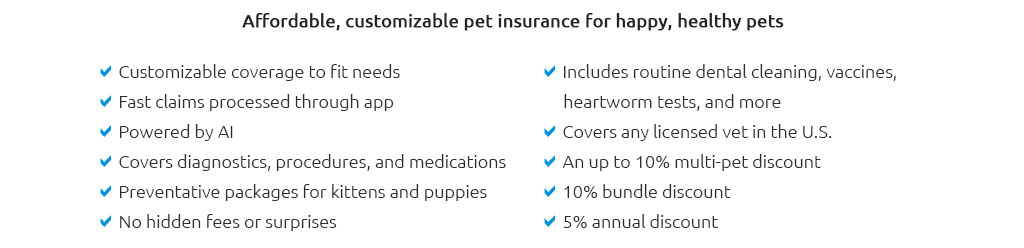
- Percent off base rate: Often a small percentage per additional pet; sometimes a larger break once you hit three or more.
- Per-pet deductibles remain: Each pet keeps its own deductible and annual limit even when discounted.
- Same coverage tier helps: Matching reimbursement and deductible levels across pets can unlock the best pricing.
- Mixed species rules: Dogs and cats usually both qualify, but exotic pets may be excluded.
- Admin simplicity: One portal, one billing date; fewer renewals to track.
- Renewal math: Discounts can re-calc annually, so monitor any jumps once a pet ages into a new bracket.
A quick real-world moment
I added our second rescue dog at spring renewal and saw a 10% account discount, yet our older terrier's deductible stayed separate. The change that mattered most wasn't the headline percent - it was syncing both pets to the same renewal month so claims didn't straddle different policy years.
What to compare before you commit
- Discount size and tiers: Is it 5% per additional pet or a higher break starting at pet three?
- Per-pet vs shared limits: Separate annual caps protect each animal; shared caps can dilute coverage.
- Deductible style: Per-incident vs annual can change out-of-pocket timing.
- Age and breed load: Senior or high-risk breeds may offset the discount.
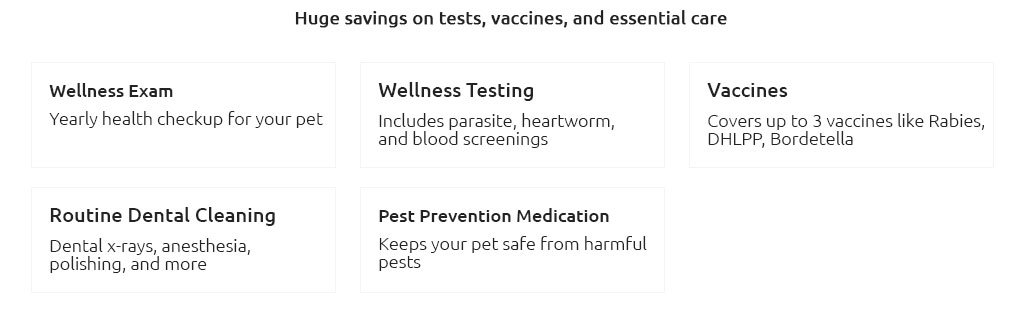
- Wellness bundling: Useful only if you actually use routine care benefits.
- Waiting periods: Do they reset for new pets or after policy changes?
- Reimbursement and payouts: Percentage, direct pay vs reimburse, and claim speed.
- Exclusions and pre-existing wording: Especially for chronic issues across multiple pets.
Action steps to lock in value
- List each pet's age, breed, and known conditions; choose one coverage level that fits all reasonably well.
- Get three quotes using the same deductible and reimbursement so the discount is the only variable.
- Run a test claim scenario for each pet (ER visit, meds, follow-up) to see net cost after discount.
- Ask if the discount applies to both accident/illness and wellness or only one.
- Align renewal dates so deductibles and limits reset together.
- Confirm whether the discount remains if you remove or add a pet mid-term.
- Request a sample policy and read the multi-pet section, not just marketing pages.
The discount can tilt the math in your favor. Second thought: if one pet needs substantially higher coverage than the others, a separate policy may still be cleaner and cheaper long term.
Quick signals of a solid offer
- Clear percentage and no vague "up to" language.
- Identical coverage options available to each pet without forced upsells.
- No hidden surcharge that erases the discount at renewal.
- Pro-rated, fair pricing when adding a new pet mid-cycle.
- Easy-to-see per-pet limits and deductibles on one dashboard.
Common pitfalls
- Discount applied only to the base rate, while age surcharges grow faster each year.
- Lower discount on older pets than kittens/puppies.
- Shared annual limit across pets that caps earlier than expected.
- Waiting periods restart after you "change" coverage to add a pet.
- Wellness discount looks big, but routine benefits are capped and rarely net out.
When it might not be worth it
If one pet has chronic care needs requiring higher reimbursement or specialty coverage, keeping separate policies can preserve flexibility and avoid compromising the healthy pets' plan just to fit a discount.
Glossary, quick
- Deductible: What you pay before insurance reimburses.
- Co-insurance: Your share of each bill after deductible (e.g., 20%).
- Annual limit: Max insurer pays per policy year per pet.
- Per-incident: Deductible resets per condition or event.
- Wellness: Optional routine care benefits like exams and vaccines.
Wrap-up
Use the discount as a lever, not the whole decision. Confirm the percentage, keep coverage consistent where it makes sense, and run one simple cost scenario per pet. If the math lines up, bundle confidently and set a reminder to re-quote at renewal.